How to Secure Your Warehouse with CCTV: Camera Placement, Monitoring & Loss Prevention Tips

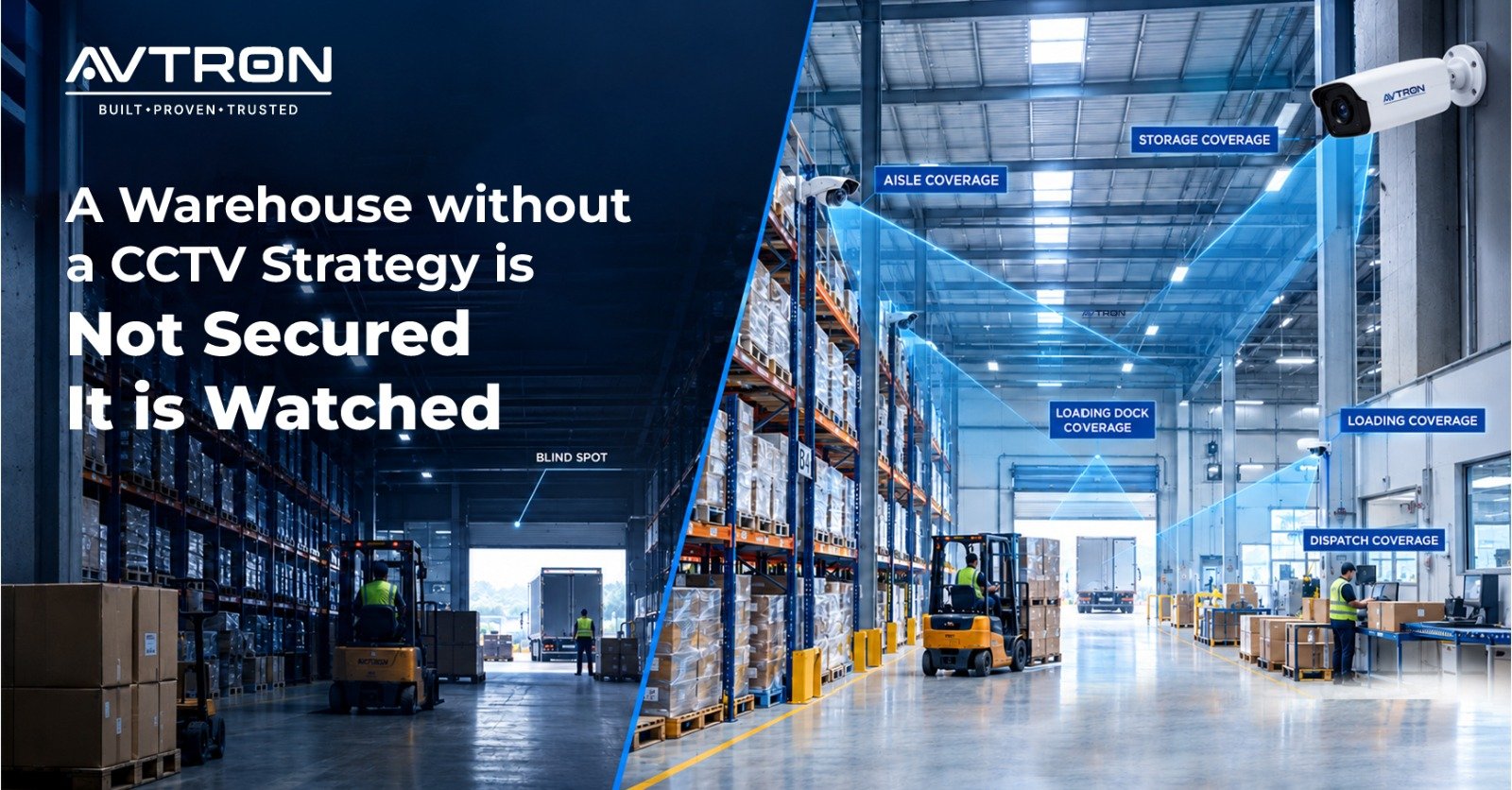
Warehouse security camera system by Avtron featuring CCTV coverage for storage aisles, loading docks, and dispatch areas to eliminate blind spots and improve warehouse security.

Why Warehouse Security Requires More Than a Camera at the Gate

A camera at the entrance and one at the exit is not a warehouse security system. It is a recording device at two points in a facility that may cover tens of thousands of square metres, house crores worth of inventory, and operate across multiple shifts with hundreds of personnel.

Warehouse security is a layered challenge. Theft can occur at the loading dock, inside racking aisles, at dispatch stations, or in areas that are rarely monitored. Unauthorized access, pilferage, inventory discrepancies, and safety incidents all have physical locations within the facility where they originate, and a CCTV system that does not cover those locations cannot address them.

This guide is written for warehouse managers, logistics heads, and facility managers who are planning a warehouse CCTV Camera system or reviewing an existing one. It covers the security risks specific to warehouse environments, how to approach camera placement strategically, how to monitor effectively, and how video surveillance supports loss prevention as an operational discipline rather than a passive recording function.
Warehouse security camera placement for 24/7 surveillance, inventory protection, theft prevention, and real-time monitoring with Avtron CCTV cameras.

Understanding the Security Risks Specific to Warehouse Environments

Before specifying a single camera, it is worth mapping the actual risk profile of the warehouse. Security risks in warehouse environments cluster around a consistent set of locations and operational patterns.

Loading and unloading docks: The loading dock is the highest-risk zone in most warehouses. Goods arrive and depart here, and the volume of activity, the number of external personnel, and the physical transition of inventory between vehicles and the facility create multiple opportunities for discrepancy, whether intentional or otherwise.

Racking and storage aisles: Interior racking areas are typically high-density zones with low natural visibility. Staff working alone in aisles, combined with limited sightlines, create conditions where pilferage is difficult to detect without camera coverage.

Dispatch and packing stations: The point at which goods are prepared for outbound shipment is a secondary risk zone. Incorrect packing, deliberate substitution, and undocumented removals are risks that are difficult to identify through physical supervision alone.

Perimeter and access points: External perimeter walls, side gates, emergency exits, and rooftop access points are vulnerable to after-hours intrusion. These areas require cameras capable of performing in low or zero light conditions.

Parking and vehicle holding areas: Vehicle holding areas adjacent to warehouses are subject to theft from parked vehicles, unauthorised vehicle access, and disputes over goods condition at the point of handover. Camera coverage of these areas supports both security and commercial dispute resolution.

Staff entry, exit, and common areas: Staff entry points and common areas such as locker rooms, canteens, and rest areas are not primary security zones but are relevant to monitoring unauthorised removal of goods through personal exits.

Camera Types and Their Role in Warehouse Security

Warehouse CCTV deployments typically require more than one camera type, with each type serving a defined function within the overall system.

Fixed cameras with wide-angle lenses: Fixed cameras are the workhorses of warehouse surveillance. Installed at defined positions covering specific zones, they provide continuous, consistent coverage of the areas they are aimed at. For racking aisles, dispatch stations, and packing areas, fixed cameras with appropriate focal lengths are the standard specification.

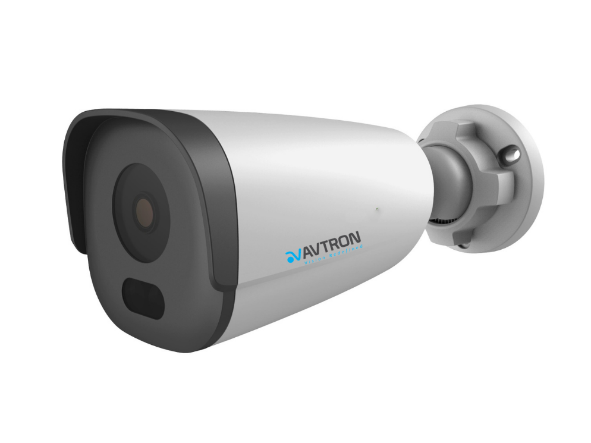
Bullet cameras for perimeter and long-range coverage: Bullet cameras are designed for directional, long-range coverage. Their form factor allows them to project further along a defined axis, making them appropriate for perimeter walls, long loading dock approaches, and external access roads. For Avtron’s AI camera range covering perimeter and fixed surveillance requirements: avtrontech.com/products_category/ai-cameras/

PTZ cameras for large open areas: Pan-Tilt-Zoom cameras can be remotely controlled to pan across a wide area, tilt to different vertical angles, and zoom in on specific activity. In large warehouse floor areas, a single PTZ camera can cover a significantly larger area than a fixed camera, and can be directed to a specific location when an event is flagged.

Dome cameras for indoor zone coverage: Dome cameras are suited to indoor coverage of specific zones such as packing stations, reception desks, and staff entry points. Their housing deters tampering and their wide-angle lens provides broad coverage of a defined area.

Thermal or low-light cameras for perimeter security: For perimeter and outdoor areas where after-hours monitoring is required without artificial lighting, cameras with enhanced low-light capability or thermal imaging are the appropriate specification. These allow the system to detect and record activity in conditions where standard cameras produce unusable footage.

Camera TypeBest ApplicationKey Requirement
Fixed wide-angleRacking aisles, dispatch, packingConsistent zone coverage
Bullet cameraPerimeter walls, external approachesLong-range directional coverage
PTZ cameraLarge floor areas, open yardsRemote controllable, wide area
Dome cameraIndoor zones, staff entry pointsTamper-resistant, wide angle
Low-light cameraPerimeter, outdoor after-hoursPerformance in zero or low light

Camera Placement: Where to Install and Why

Camera placement is the most consequential decision in warehouse CCTV system design. A well-specified camera installed in the wrong position will not deliver useful footage. The following placement principles apply across warehouse environments.

Loading dock coverage: Each loading bay should have camera coverage from two angles: one aimed at the dock door and vehicle approach, and one covering the goods transfer activity at the dock edge. Cameras should be positioned to capture faces, vehicle registration plates, and the condition of goods at the point of handover.

Racking aisle coverage: Long racking aisles present a coverage challenge due to their length and narrow width. Cameras mounted at the aisle entrance aimed along the length of the aisle provide the most effective coverage, with additional cameras at mid-aisle positions for aisles exceeding 30 to 40 metres in length.

Perimeter coverage: Perimeter cameras should be positioned to provide overlapping coverage with no gaps between camera fields of view. The standard practice is to position adjacent cameras so that each camera appears within the coverage area of its neighbour, confirming that the perimeter line is fully covered with no blind sections.

Ceiling height considerations: In warehouses with ceiling heights above 8 metres, cameras mounted at ceiling level may not produce usable facial or activity detail at floor level. In high-ceiling environments, cameras mounted at an intermediate height of 4 to 6 metres on racking structures or wall brackets often produce more operationally useful footage than ceiling-mounted units.

Lighting and camera position: Cameras should not be positioned facing light sources such as loading dock openings, skylights, or windows without backlight compensation capability. A camera pointed toward a bright background will silhouette foreground subjects, rendering the footage unusable for identification purposes.

Minimum coverage zones for a standard warehouse

ZoneCamera Coverage Requirement
Each loading dock bay2 cameras per bay
Racking aisle entry1 camera per aisle, plus mid-aisle for aisles above 35m
Dispatch and packing area1 camera per station or workgroup
Perimeter wall sectionsOverlapping coverage with no gaps
Staff entry and exit1 camera per entry point, aimed at face level
External parking and vehicle areaCoverage of all vehicle positions and access lanes

Monitoring: From Passive Recording to Active Surveillance

There is a significant operational difference between a CCTV system that records and a CCTV system that monitors. Most warehouse CCTV Camera deployments are configured for recording. Footage is available for review after an incident has been reported. Active monitoring, where camera feeds are watched in real time and used to identify and respond to events as they occur, is less common but significantly more effective as a security discipline.

Passive recording: In a passive recording configuration, the system records continuously and footage is reviewed when a specific incident is reported. This approach has value for post-event investigation but does not prevent incidents or support real-time response.

Scheduled live monitoring: Scheduling defined monitoring periods, particularly during shift changes, loading and unloading operations, and late shifts, improves the operational value of a CCTV system without requiring continuous staffing of a monitoring station.

Alert-based monitoring: A CCTV system integrated with motion detection, perimeter crossing alerts, or AI-based anomaly detection can notify security personnel when specific conditions are met, reducing the monitoring burden while increasing the probability of detecting relevant events. This approach is covered further in Section 08.

Remote monitoring capability: For warehouse operations where on-site security staffing is limited, remote monitoring from a central security operations centre or through mobile access provides a practical alternative to on-site monitoring. A video management system with remote access capability supports this.

Loss Prevention: How CCTV Supports Inventory Integrity

Loss prevention in a warehouse context extends beyond theft detection. Inventory discrepancies arise from a range of causes including administrative errors, incorrect picking, damage during handling, and deliberate removal. CCTV supports loss prevention across all of these categories when deployed and used correctly.

Correlating CCTV with inventory records: When an inventory discrepancy is identified, CCTV footage from the relevant zone during the relevant time window allows the operational team to establish what physically occurred. Whether a shortfall was the result of an administrative error, a handling incident, or a deliberate removal can often be determined from footage review, directing the investigation appropriately.

Supporting goods-in and goods-out verification: Camera coverage of loading docks combined with footage timestamps allows the operations team to correlate physical delivery records with CCTV evidence in the event of a dispute with a supplier or a delivery vehicle operator. This is a practical application of CCTV that goes beyond security into commercial protection.

Deterrence effect: Visible CCTV coverage of high-risk zones has a documented deterrence effect on opportunistic theft. This is most effective when camera positions are visible to personnel working in the zone, combined with clear communication that the system is actively monitored.

Video Management: Organising and Retrieving What You Capture

The volume of footage generated by a warehouse CCTV system with 20 or more cameras recording continuously across multiple shifts is significant. Without a structured approach to video management, the footage exists but cannot be practically used.

Storage planning: A 20-camera system recording at HD resolution continuously generates substantial storage requirements. Storage planning should account for the number of cameras, recording resolution, frames per second, compression format, and the required retention period. For most warehouse security purposes, a minimum retention period of 30 days is a practical starting point, with 90 days appropriate for facilities with higher loss risk profiles.

Retrieval and search: The ability to locate footage of a specific event at a specific camera at a specific time without scrubbing through hours of recording is a core operational requirement. A video management system with timestamp-based search, event-based filtering, and intelligent search tools significantly reduces the time and effort required to investigate an incident.

Multi-site management: For warehouse operations with multiple facilities, a VMS that consolidates footage from all sites into a single management platform removes the need to access each site’s recording system independently.

AI Based Analytics in Warehouse CCTV: What Is Practical Today

AI-based video analytics are increasingly available as a feature layer within CCTV systems, and their application in warehouse environments is worth evaluating with practical expectations.

Perimeter crossing detection: AI-based perimeter line crossing detection alerts security personnel when a camera detects movement across a defined boundary. This is directly applicable to warehouse perimeter monitoring, particularly during after-hours periods when manual monitoring is not in place.

Loitering detection: Loitering detection identifies when a person remains in a defined zone for longer than a specified time threshold. This is applicable to high-risk areas such as loading docks and dispatch zones where extended, unexplained presence may indicate suspicious activity.

Object removal detection: Object removal analytics detect when an object that was present in a camera frame is no longer present. This is relevant to areas where high-value goods are staged or stored temporarily.

Vehicle and plate recognition: In loading dock and external parking zones, vehicle and number plate recognition allows the system to log vehicle access automatically and flag vehicles that do not match an authorised list.

Avtron is a technology manufacturing organization with established presence across security, surveillance, and communication infrastructure in India. Avtron’s AI camera range is designed with on-device analytics capability, allowing detection and alerting to run at the camera level without placing the full processing load on a central server.

What Indian Warehouses Must Account for Specifically

Temperature and operating conditions: Warehouses across India operate across a wide temperature range. Non-climate-controlled facilities in states such as Rajasthan, Gujarat, and Maharashtra can reach ambient temperatures of 45 to 50 degrees Celsius in summer. Camera hardware must be rated for the actual operating temperature range of the facility. Cameras specified for standard indoor conditions may not perform reliably in non-climate-controlled warehouse environments.

Dust and particulate exposure: Agricultural processing, grain storage, cement, and textile warehouses operate with elevated dust levels. Camera enclosures rated IP54 or above are the practical minimum for these environments. Dome cameras with sealed enclosures are preferable to open-housing units in high-particulate environments.

Power supply reliability: In facilities where power supply is variable or subject to brief interruptions, NVR and camera systems should be connected to a UPS to prevent recording gaps and system restarts during power fluctuations. Recording gaps at critical times are precisely the outcome a security system is designed to prevent.

Multi-shift and 24-hour operation: Warehouses operating across two or three shifts require cameras with genuine low-light performance, not cameras that claim low-light capability but produce unusable footage below a certain lux level. Confirm low-light performance specifications against the actual lighting conditions of the facility during night shifts.

Compliance and data retention: Some warehouse operators, particularly those serving e-commerce platforms, FMCG principals, or government supply chains, are subject to contractual or regulatory requirements regarding CCTV coverage and footage retention periods. Confirm applicable requirements before finalising storage capacity and system specification.

Avtron’s CCTV and VMS Range for Warehouse Security

Avtron manufactures a range of AI cameras, PTZ cameras, NVR systems, and video management software designed for deployment in warehouses, logistics facilities, and large-scale industrial environments across India.

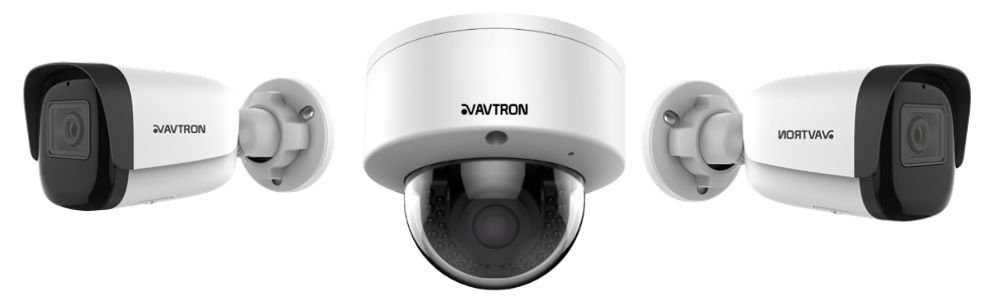
The camera range includes fixed AI cameras for zone and perimeter coverage, PTZ cameras for large open-area surveillance, and dome cameras for indoor zone monitoring. Products are built and tested for the operating conditions of Indian warehouse environments, including wide temperature ranges, dust exposure, and continuous operational uptime requirements.

The Avtron Video Management System provides centralised multi-site surveillance management, intelligent search and retrieval, remote monitoring access, and alert-based notification, consolidating footage from all cameras and sites into a single operational platform.
Warehouse security camera system with strategic CCTV placement for monitoring storage aisles, loading docks, and dispatch areas to prevent theft and reduce inventory losses.

Planning a CCTV System for Your Warehouse?

A warehouse CCTV Camera system that performs as a security and loss prevention tool requires deliberate decisions at the design stage. Camera type selection, placement strategy, monitoring protocol, video management configuration, and storage planning all determine whether the system delivers operational value or simply records footage that is never used.

If you are planning a new warehouse CCTV system or reviewing an existing installation, Avtron’s technical team can provide product documentation, camera placement guidance, and configuration support specific to your facility’s security requirements.

Talk to Our Team: avtrontech.com/contact/

Frequently Asked Questions

Q1. How many cameras does a standard warehouse need? Camera count depends on facility size, number of risk zones, ceiling height, and required coverage density. A practical starting point is one camera per defined risk zone, with loading docks requiring a minimum of two cameras per bay.

Q2. What camera resolution is recommended for warehouse security? For general zone monitoring, 2MP to 4MP resolution is adequate. For areas where facial identification or vehicle plate recognition is required, 4MP to 8MP resolution is more appropriate.

Q3. How long should warehouse CCTV footage be retained? A minimum of 30 days is a practical baseline for most warehouse operations. Facilities with higher loss risk profiles or contractual obligations may require 60 to 90 days.

Q4. Can AI-based cameras reduce the need for continuous manual monitoring in a warehouse? AI-based perimeter crossing, loitering, and anomaly detection reduce the monitoring burden by generating alerts only when defined conditions are met, rather than requiring continuous manual review of all camera feeds.

Q5. What is the difference between an NVR and a VMS for warehouse surveillance? An NVR is a hardware device that records and stores footage from connected cameras. A VMS is a software platform that manages footage from multiple cameras and NVRs, supporting multi-site access, intelligent search, alert management, and remote monitoring from a single interface.
10 Key Benefits of Installing AI Security in AVTRON Cameras

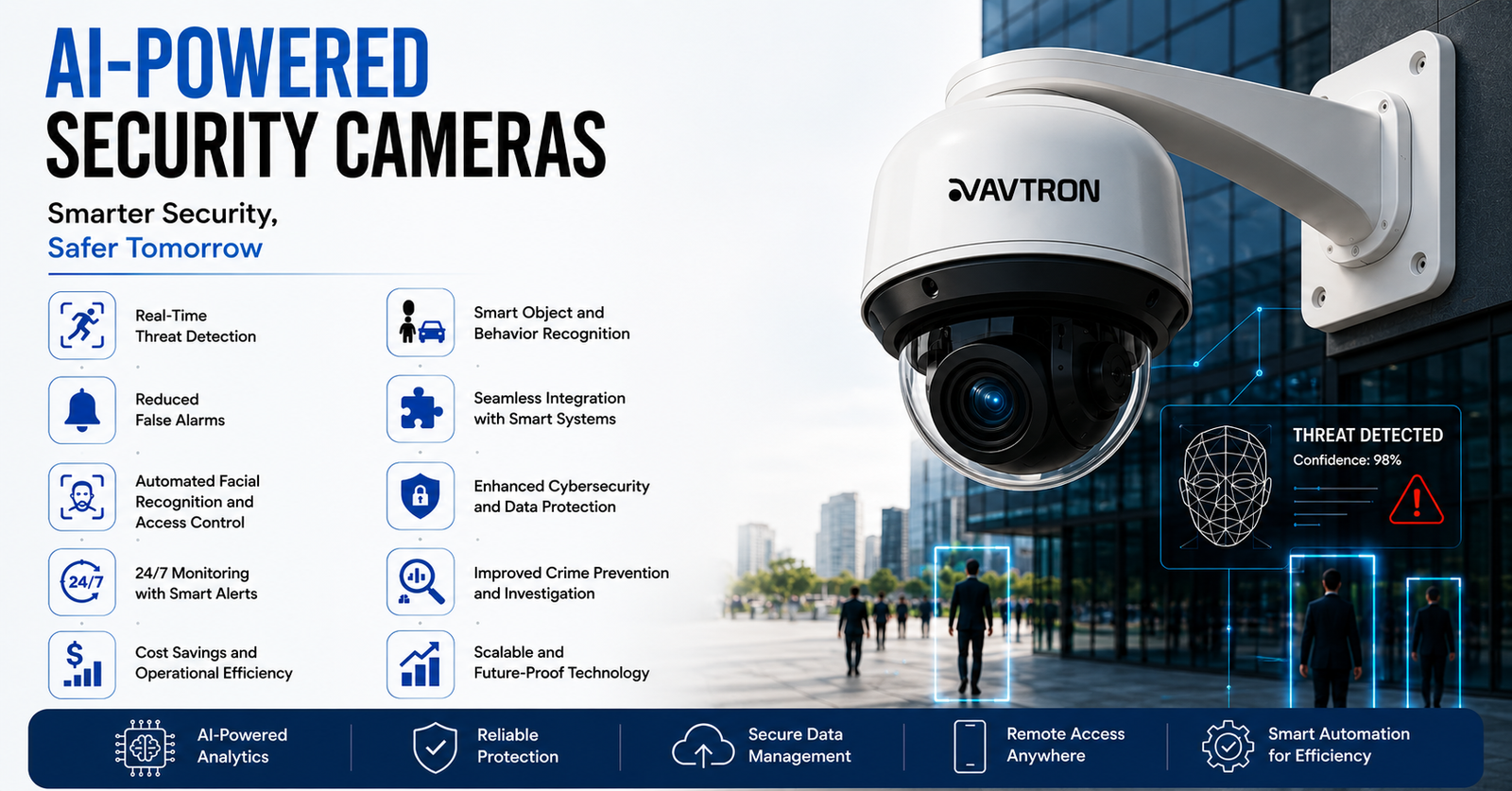
AVTRON AI-powered security camera with real-time threat detection, facial recognition, smart analytics, cybersecurity protection, and advanced video surveillance technology.
Artificial Intelligence (AI) has transformed surveillance systems, making them more advanced, efficient, and proactive. Traditional CCTV cameras were limited to passive recording, requiring human monitoring to identify threats. AI security cameras, however, leverage machine learning, deep learning, and computer vision to analyze footage in real-time, detect anomalies, and provide automated alerts. These intelligent surveillance systems are being widely adopted in homes, businesses, public spaces, and law enforcement.This article explores 10 key benefits of installing AI with AVTRON cameras and how they enhance security, efficiency, and automation. 

Avtron AI-powered PTZ CCTV security camera with motion detection, facial recognition, smart alerts, and advanced video surveillance for commercial security applications.

Real-Time Threat Detection

One of the most significant advantages of AI security cameras is their ability to detect threats instantly. Unlike traditional cameras that only record footage for later review, AI-powered cameras use real-time video analytics to identify:
  • Unauthorized access to restricted areas
  • Suspicious activities, such as loitering or unusual movement
  • Dangerous objects like weapons or abandoned bags in public places
Upon detecting a potential security threat, the system sends instant alerts to security teams, law enforcement, or homeowners, allowing for quick intervention.

Reduced False Alarms

Conventional motion-based CCTV systems often trigger false alarms due to environmental factors like wind, animals, or moving shadows. AI security cameras use smart motion detection and object classification to:
  • Differentiate between humans, animals, and objects
  • Ignore irrelevant movements caused by weather or lighting changes
  • Focus only on real security threats
This significantly reduces unnecessary alerts, ensuring that security teams focus on actual risks rather than false positives.

Automated Facial Recognition and Access Control

AI security cameras equipped with facial recognition technology provide a higher level of security for homes, offices, and public spaces. Benefits include:
  • Identifying authorized personnel for seamless access control
  • Detecting and flagging unauthorized individuals
  • Matching real-time footage against a database of known criminals
This is particularly useful in high-security areas like airports, banks, and government buildings where strict identity verification is required.

24/7 Monitoring with Smart Alerts

AI surveillance cameras offer continuous monitoring without requiring constant human supervision. Advanced features include:
  • AI-powered night vision for low-light surveillance
  • Automated alerts sent to smartphones, tablets, or control centers
  • Integration with alarm systems to trigger sirens or emergency responses
Unlike human operators who may experience fatigue or distractions, AI never stops analyzing footage, ensuring round-the-clock security.

Cost Savings and Operational Efficiency

AI security cameras reduce the need for large security teams, cutting down labor costs while improving surveillance efficiency. Other cost-saving benefits include:
  • Lower maintenance costs due to smart analytics reducing false alarms
  • Efficient storage management by recording only relevant events
  • Minimized security breaches, preventing financial losses caused by theft or vandalism
This makes AI-powered surveillance systems a cost-effective solution for businesses and homeowners alike.

Smart Object and Behavior Recognition

Traditional CCTV systems only capture footage, leaving security teams to manually analyze events. However, AI security cameras use behavioral analytics to understand and interpret behaviors. These systems can:
  • Detect suspicious activities like trespassing, fights, or unattended baggage
  • Identify dangerous objects such as weapons or explosives
  • Recognize aggressive behavior in public places and alert security teams
This makes AI surveillance ideal for crime prevention and proactive security measures.

Seamless Integration with Smart Systems

AI security cameras can integrate with other smart security systems, such as:
  • Alarm systems, triggering an automatic response to detected threats
  • Smart locks, enabling or disabling access based on facial recognition
  • IoT devices, allowing remote control of lights, sirens, or emergency protocols
This enables a fully automated security ecosystem, making buildings, homes, and public spaces safer and more intelligent.

Enhanced Cybersecurity and Data Protection

As surveillance systems become increasingly connected to the internet, cybersecurity threats are a concern. AI-powered security cameras include advanced encryption and security protocols to:
  • Protect video footage from hacking or tampering
  • Secure cloud storage with multi-layer authentication
  • Ensure GDPR and data privacy compliance to protect individuals’ rights
These security measures prevent unauthorized access to surveillance data, ensuring safety and privacy.

Improved Crime Prevention and Investigation

AI surveillance cameras not only record crimes but actively prevent and investigate them more efficiently. Benefits include:
  • Predictive analytics, identifying high-risk areas based on historical data
  • License plate recognition, helping track vehicles involved in criminal activities
  • Facial recognition databases, aiding in suspect identification
Law enforcement agencies can use AI-enhanced footage to solve crimes faster and more accurately.

Scalable and Future-Proof Technology

AI security cameras are highly scalable, making them suitable for both small homes and large-scale enterprises. Benefits include:
  • Easy integration with additional cameras or AI features as security needs grow
  • Regular AI software updates to improve threat detection and analytics
  • Compatibility with future smart city and business automation technologies
This future-proof capability ensures that AI surveillance systems remain effective and relevant as technology advances. Avtron AI security cameras featuring human detection, vehicle detection, smart alerts, data protection, and real-time analytics for intelligent video surveillance and commercial security monitoring

Conclusion

AI-powered security cameras are a major advancement in the field of surveillance. Their ability to detect threats in real-time, minimize false alarms, and provide intelligent automation makes them a superior choice over traditional CCTV systems.From home security and business protection to law enforcement and public safety, AI security cameras offer unmatched security, efficiency, and automation. As AI continues to evolve, these systems will become even more advanced, integrating with smart cities, IoT ecosystems, and predictive analytics to create safer environments.Investing in AI surveillance is not just about security—it’s about building a smarter, more efficient, and future-ready safety infrastructure.

IP Cameras vs CCTV: A Modern Security Showdown

CCTV system over time can be costly

IP Cameras vs CCTV: A Modern Security Showdown

For years, traditional CCTV (closed-circuit analog cameras) was the standard for home and shop security. But today the trend is clearly shifting. In India, over half of new surveillance systems are now networked (IP) cameras. Avtron has fully embraced this shift – we focus only on IP cameras – because network cameras deliver crisper video and more flexibility than old-school analog CCTV. In this blog, we’ll explain the key differences between IP and analog CCTV, compare costs, and show why IP cameras are usually the better choice.avtron cctv camera image

What is Analog CCTV?

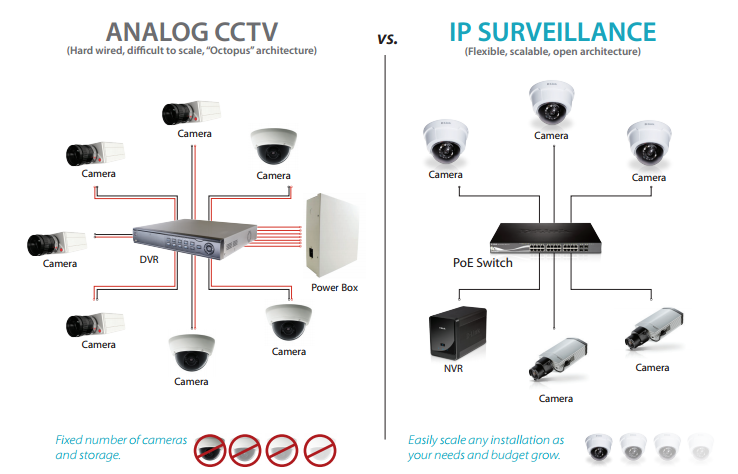
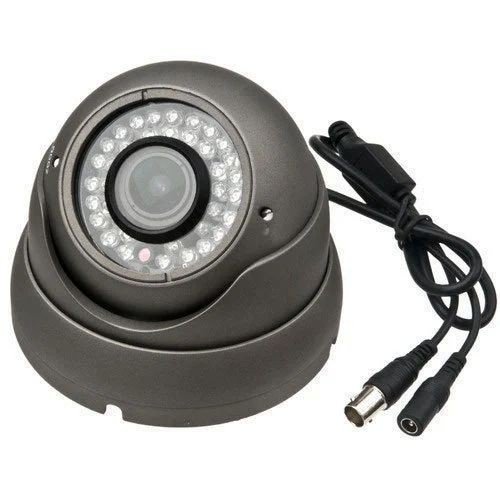
Analog CCTV cameras are the “old guard” of video security. Each camera sends its live video over a coaxial cable to a local recorder or monitor. They work without internet – which means they cannot be hacked online – but this comes at the cost of image quality and convenience.Traditional analog CCTV typically maxes out at standard-definition (around 720×480 pixels, or ~0.4 MP). This looks fine on a security monitor, but zooming into the video (for example to read a license plate) quickly becomes very grainy. Installation is also more complex: each analog camera usually needs a separate cable for video and another for power. Coaxial cables are bulky and heavy, and if audio or pan/tilt control is needed, that adds even more wires. In short, an old-style CCTV setup is sturdy and offline, but offers lower resolution and a cumbersome installation.Analog CCTV cameras

What is an IP (Network) Camera?

  IP cameras are the new generation of CCTV. They are digital cameras that connect to your local network (via Ethernet or Wi-Fi). In other words, they “speak the internet” – each camera is like a mini-computer that streams video over your network or the cloud. The benefits are huge.First, image quality: most IP cameras today deliver high-definition or ultra-HD video. Common resolutions range from 2 MP (Full HD) to 5+ MP (4K), which is 6–20 times higher than old analog CCTV. This means far sharper images; you can zoom in on an IP video and still see detail (faces, license plates) instead of blur.Second, installation: many IP cameras use PoE (Power-over-Ethernet) so one cable carries both power and data. No need for separate power lines. Some IP cams even work wirelessly or on battery for easy placement.Third, features: IP cameras often have built-in intelligence. They can detect motion or sound and send alerts to your phone. They can record to local network video recorders (NVRs) or automatically upload clips to cloud storage. And of course, remote access: you can view live video or recordings from any device (phone, tablet, PC) as long as you’re connected. In short, an IP camera is like having a mini server for each camera: higher resolution, easier install, and lots of smart features.IP Cameras vs CCTV

Key Differences: IP vs Analog CCTV

The main differences between IP (digital) cameras and analog CCTV can be summed up in a few categories: 
CategoryIP CameraAnalog CCTV
Video qualityHigh-definition (2MP–8MP+). Clear detail for ID and zoom.Standard or HD twin-channel. Lower detail; zoom becomes grainy.
Resolution & zoomTrue digital sensors. Zoom and crop without huge quality loss.Limited by sensor; digital zoom loses clarity quickly.
Cabling & powerEthernet (Cat5e/6). PoE option: one cable for power + data.Coaxial for video + separate power cable. More wiring.
Installation time & complexityFaster with PoE and network switches. Easier to add cameras.Slower — run multiple cables and power points for each camera.
Storage & recordingNVR, cloud, or hybrid. Flexible retention and offsite backup.DVR onsite. Limited expansion and fewer cloud options.
Remote access & mobileNative remote viewing via apps and web portals. Easy sharing.Remote access is clunkier; often needs special DVR setup or VPN.
ScalabilityPlug new cameras into network. Scales smoothly.Adding cameras often needs new DVR channels and extra wiring.
Smart features & analyticsBuilt-in motion, line crossing, people/vehicle detection, VMS integration.Requires external software/hardware for advanced analytics.
Night & low-light performanceModern sensors + IR/wide dynamic range and noise reduction. Better detail at night.IR works but lower resolution limits usable night detail.
Security (data)Supports encryption, secure logins, firmware updates. Network security features.Unencrypted analog signal by default. Physical tampering easier.
Maintenance & updatesRemote firmware updates. Easier troubleshooting via network.Firmware/feature updates are limited; more hardware swaps.
Bandwidth & latencyUses network bandwidth; adjustable bitrates. Minor latency on streaming.Low network impact (direct feed), but limited feature throughput.
Cost: initial vs long-termSlightly higher initial camera cost often offset by lower cabling/labor and better features long term.Lower initial hardware cost for basic setups; higher wiring and upgrade costs over time.
Future-proofingDesigned to evolve — software upgrades, analytics, higher resolutions.Aging standard. Limited headroom for new features and integrations.
Best use casesHomes, shops, campuses, smart city, remote monitoring, analytics-driven security.Very small, budget-constrained sites with no need for remote access or high detail.
 

Benefits of Switching from Analog CCTV to IP

If you’re still on analog CCTV, upgrading to IP cameras unlocks many benefits:
  • Sharper Images: As noted, higher megapixels mean clear identification of faces and details. A 5MP IP camera covers far more area and detail than a 0.4MP CCTV camera.
  • Real-Time Alerts: IP cameras often have onboard analytics. For instance, they can send a push notification if motion is detected. Traditional CCTV needs extra software or human watching to alert you.
  • Mobile Monitoring: With IP cameras, you (or your staff) can check the security feeds anytime from a smartphone app or web portal. This is great for shop owners who want to keep an eye on their store when offsite, or parents monitoring a baby at home.
  • Flexible Storage: Cloud storage options (or hybrid storage) mean you don’t need to manage local DVR disks. You get safer offsite backups and can watch old footage on-demand.
  • Advanced Features: Modern IP cameras offer features like digital zoom, pan/tilt/zoom (motorized), two-way audio, and integration with smart-home or POS systems.
  • Longevity and Updates: IP cameras are more “future proof.” You can often update their firmware or software to get new features. If your network improves (like getting a faster switch), the cameras automatically benefit.
  • Ease of Expansion: As your needs grow (a new shop location, or adding a gate camera at home), adding an IP camera is straightforward: just plug it in. No need to rewire the entire system.
  • Compliance and Analytics: In many industries, regulations now require higher video standards (e.g. clear facial images for security). IP systems can meet these needs. They also can include analytics like face recognition or intrusion detection – tools almost impossible on classic analog CCTV.

Installation and Cost Comparison

You might wonder: is IP really more expensive? Here’s the breakdown for an installation in India:
  • Equipment Cost: A pack of analog cameras and DVR might be slightly cheaper up front. However, IP camera prices have dropped significantly. One report highlights that entry-level IP cameras now cost only about 15% more than comparable HD analog cameras. With falling prices, that premium is minimal, especially for higher-end benefits.
  • Cabling Cost: Analog CCTV needs separate power lines. Often, an electrician has to be hired to run wiring for each camera. IP PoE cameras can run over one Ethernet cable (and sometimes via existing network wiring). This can cut labor costs. In fact, using PoE can eliminate a second electrician on site, since you only need a network technician or just plug-and-play.
  • Installation Labor: Analog systems usually require careful cable routing (coax, power, audio). IP systems are more plug-and-play; you may even self-install small IP cameras. Expanding a network is easier too. A BlackBox comparison notes that IP cameras “require less cabling” and can carry power, video, audio and control on one cable, whereas analog needs separate cables for each function.
  • Maintenance: Over time, analog DVRs might fail or need reformatting. With IP/cloud recording, maintenance is often simpler. You also avoid “forklift upgrades” – you can upgrade cameras or add analytics without ripping out old gear.
  • Long-Term Costs: While a CCTV kit may be cheaper for a few cameras, costs can climb if you need high-res, remote access, or to cover large areas. One industry analysis points out that CCTV is “more affordable at the initial purchase stage” but “expanding a CCTV system over time can be costly”. IP systems, by contrast, may have a higher initial price tag but scale inexpensively. With IP, you can leverage existing network hardware and avoid costly new DVRs for each expansion.
CCTV system over time can be costly

Night Security: IP or CCTV?

A common question is: Which camera is better for night vision, IP or analog CCTV? The answer is that modern IP cameras generally have the edge. Both analog and IP cameras can use infrared (IR) illumination to see in the dark, but IP cameras tend to have more advanced sensors and processing. For instance, Axis network cameras deployed at the Mysore Palace in Karnataka were chosen for their night capabilities: they used “Lightfinder” technology, enabling “extreme low light visibility.” These cameras captured color video in very dark conditions and delivered clear images. In practice, new IP cameras often come with powerful IR LEDs and noise-reduction algorithms, so they can pick out details even under moonlight.By contrast, many older analog CCTV units had weaker IR and lower resolution, so night images could be grainy and low-detail. (Some analog cameras were actually tuned for better low-light grayscale performance, but they still lacked the megapixels to zoom in.) In short, if night-time detail is crucial (e.g. a guardhouse camera or a dark backyard), a modern IP camera with enhanced night vision will usually be the better choice.IP or CCTV

Real-World Examples and Case Studies

Smart City Traffic Cameras: In Mohali, Punjab, the local authorities installed networked IP cameras at traffic intersections. On just the first day, the system automatically detected and logged 1,150 traffic violations (e-challans). This example shows how IP cameras feed into smart analytics: they watched for speeders and rule-breakers and instantly issued fines. An analog system could not have processed that many incidents in real time.Heritage Site Security: As mentioned, the Mysore Palace – a busy 72-acre complex – upgraded its old cameras to 125+ IP cameras. The new system covered entrances, parking, and crowd areas, all with remote monitoring. The palace’s security chief reported that with IP cameras, they now “monitor the entire palace and grounds even at night,” and guards get instant alerts for any breach. In other words, switching from analog to IP gave them full 24/7 coverage and much sharper night-time footage.Regulatory Compliance: Sometimes switching to IP is driven by rules. For example, the Reserve Bank of India now requires ATMs to have continuous high-resolution recording and clear facial images. Meeting those standards is basically impossible with legacy CCTV – it needs modern IP cameras. Many banks and offices in India have moved to IP simply to comply with such mandates.Home & Business Surveillance: For a typical house or small shop, IP cameras allow owners to watch video from anywhere via smartphone. Imagine a shop owner in Delhi who can open an app and see every corner of his store after hours. That kind of convenience is what IP provides. In surveys, homeowners report that remote mobile access and higher video quality are the top reasons they switched to IP security.

Frequently Asked Questions

  • Which is better for home/shop security: IP cameras or analog CCTV? In most cases, IP cameras are better. They give you HD video and let you watch remotely. Analog CCTV might suffice for a very simple, fixed setup, but it can’t match the clarity or convenience of IP.
  • How do IP cameras provide better image quality than CCTV? IP cameras use higher megapixel sensors (often 1080p or 4K). A black-box comparison notes that IP cameras transmit “truly digital signals” and therefore capture much more detail. If you zoom in on an analog camera image, it quickly looks grainy. With IP, you can zoom in on a 5MP frame and still see details clearly.
  • Is it more expensive to install IP cameras vs CCTV? The camera hardware for IP is slightly more expensive (about 10-20% more). But installation can be cheaper. IP cameras often use PoE, so you only run one Ethernet cable (and you may already have Ethernet wiring in place). An analog setup needs separate cables and sometimes an electrician for power lines. Also, adding extra cameras later is usually easier (and cheaper) with IP.
  • Can I switch my existing analog system to IP? Yes – many systems are hybrid. You can replace just one or two cameras with IP models and use a new IP recorder (NVR) that also accepts analog inputs. Eventually, you can phase out analog completely. In fact, hybrid recorders exist that digitize analog feeds so you can keep old cameras working on a network while you upgrade step by step.
  • Which camera is better at night security: IP or analog CCTV? Modern IP cameras generally win for night vision. They often have advanced low-light sensors and IR LEDs. For example, the Axis cameras at Mysore Palace provided “extreme low light visibility”. Many new IP models include features like WDR (wide dynamic range) and high-sensitivity modes that let them see in near-darkness. Analog cameras do record in the dark too, but their lower resolution limits how much detail you can see.

Conclusion

In conclusion, analog CCTV still works, but it’s becoming outdated. IP (digital) cameras deliver real, practical advantages: much higher video quality, flexible installation, smart alerts, and easy remote viewing. These benefits explain why Indian markets are rapidly moving toward networked systems.For Avtron, the choice is clear: we focus 100% on IP cameras because that’s where security is headed. Whether you’re securing a home, shop, or an entire campus, IP cameras give you sharper images and smarter features for nearly the same cost. In the long run, switching from analog to IP means better security and simpler expansion. If you’re planning a new system or upgrading an old one, Avtron’s IP camera solutions are designed to meet these needs — from bright daylight to dark nights.