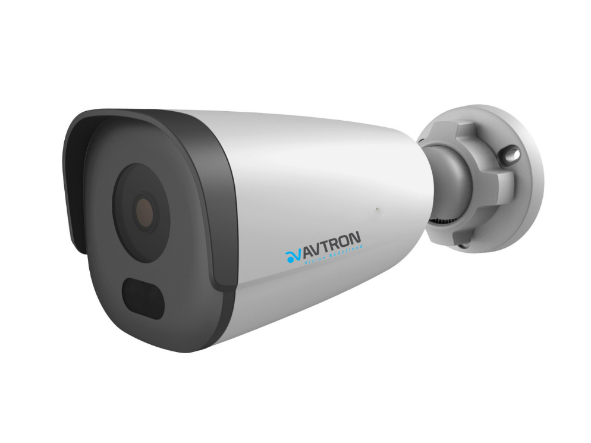
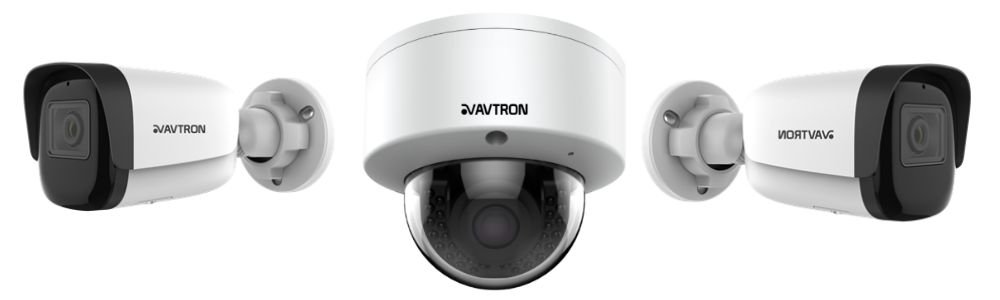
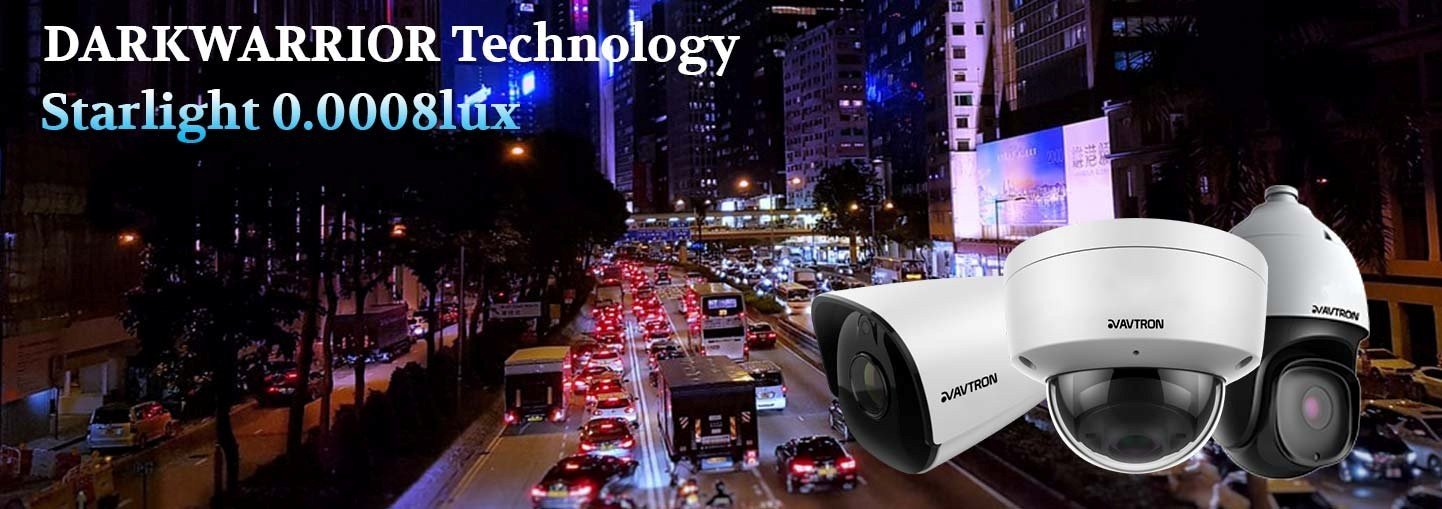
IP Cameras vs CCTV: A Modern Security Showdown
For years, traditional CCTV (closed-circuit analog cameras) was the standard for home and shop security. But today the trend is clearly shifting. In India, over half of new surveillance systems are now networked (IP) cameras. Avtron has fully embraced this shift – we focus only on IP cameras – because network cameras deliver crisper video and more flexibility than old-school analog CCTV. In this blog, we’ll explain the key differences between IP and analog CCTV, compare costs, and show why IP cameras are usually the better choice.

What is Analog CCTV?
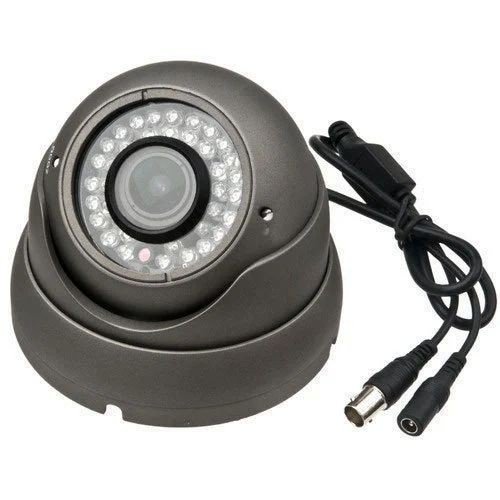
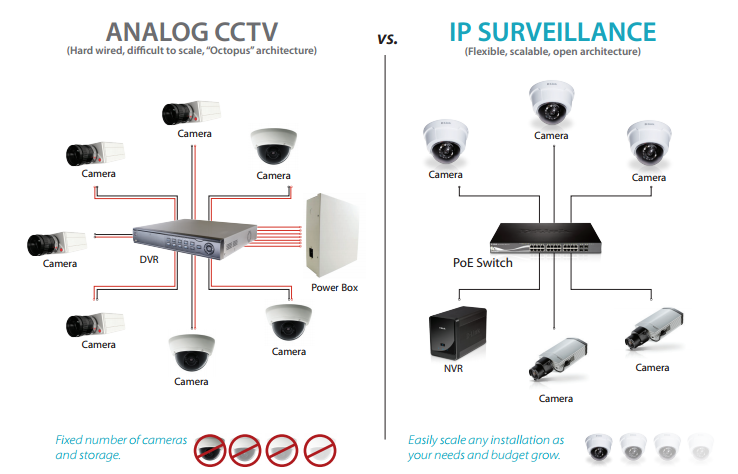
Analog CCTV cameras are the “old guard” of video security. Each camera sends its live video over a coaxial cable to a local recorder or monitor. They work without internet – which means they cannot be hacked online – but this comes at the cost of image quality and convenience.Traditional analog CCTV typically maxes out at standard-definition (around 720×480 pixels, or ~0.4 MP). This looks fine on a security monitor, but zooming into the video (for example to read a license plate) quickly becomes very grainy. Installation is also more complex: each analog camera usually needs a separate cable for video
and another for power. Coaxial cables are bulky and heavy, and if audio or pan/tilt control is needed, that adds even more wires. In short, an old-style CCTV setup is sturdy and offline, but offers lower resolution and a cumbersome installation.

What is an IP (Network) Camera?
IP cameras are the new generation of CCTV. They are digital cameras that connect to your local network (via Ethernet or Wi-Fi). In other words, they “speak the internet” – each camera is like a mini-computer that streams video over your network or the cloud. The benefits are huge.First,
image quality: most IP cameras today deliver high-definition or ultra-HD video. Common resolutions range from 2 MP (Full HD) to 5+ MP (4K), which is
6–20 times higher than old analog CCTV. This means far sharper images; you can zoom in on an IP video and still see detail (faces, license plates) instead of blur.Second,
installation: many IP cameras use PoE (Power-over-Ethernet) so
one cable carries both power and data. No need for separate power lines. Some IP cams even work wirelessly or on battery for easy placement.Third,
features: IP cameras often have built-in intelligence. They can detect motion or sound and
send alerts to your phone. They can record to local network video recorders (NVRs) or automatically upload clips to cloud storage. And of course,
remote access: you can view live video or recordings from any device (phone, tablet, PC) as long as you’re connected. In short, an IP camera is like having a mini server for each camera: higher resolution, easier install, and lots of smart features.

Key Differences: IP vs Analog CCTV
The main differences between IP (digital) cameras and analog CCTV can be summed up in a few categories:
| Category | IP Camera | Analog CCTV |
| Video quality | High-definition (2MP–8MP+). Clear detail for ID and zoom. | Standard or HD twin-channel. Lower detail; zoom becomes grainy. |
| Resolution & zoom | True digital sensors. Zoom and crop without huge quality loss. | Limited by sensor; digital zoom loses clarity quickly. |
| Cabling & power | Ethernet (Cat5e/6). PoE option: one cable for power + data. | Coaxial for video + separate power cable. More wiring. |
| Installation time & complexity | Faster with PoE and network switches. Easier to add cameras. | Slower — run multiple cables and power points for each camera. |
| Storage & recording | NVR, cloud, or hybrid. Flexible retention and offsite backup. | DVR onsite. Limited expansion and fewer cloud options. |
| Remote access & mobile | Native remote viewing via apps and web portals. Easy sharing. | Remote access is clunkier; often needs special DVR setup or VPN. |
| Scalability | Plug new cameras into network. Scales smoothly. | Adding cameras often needs new DVR channels and extra wiring. |
| Smart features & analytics | Built-in motion, line crossing, people/vehicle detection, VMS integration. | Requires external software/hardware for advanced analytics. |
| Night & low-light performance | Modern sensors + IR/wide dynamic range and noise reduction. Better detail at night. | IR works but lower resolution limits usable night detail. |
| Security (data) | Supports encryption, secure logins, firmware updates. Network security features. | Unencrypted analog signal by default. Physical tampering easier. |
| Maintenance & updates | Remote firmware updates. Easier troubleshooting via network. | Firmware/feature updates are limited; more hardware swaps. |
| Bandwidth & latency | Uses network bandwidth; adjustable bitrates. Minor latency on streaming. | Low network impact (direct feed), but limited feature throughput. |
| Cost: initial vs long-term | Slightly higher initial camera cost often offset by lower cabling/labor and better features long term. | Lower initial hardware cost for basic setups; higher wiring and upgrade costs over time. |
| Future-proofing | Designed to evolve — software upgrades, analytics, higher resolutions. | Aging standard. Limited headroom for new features and integrations. |
| Best use cases | Homes, shops, campuses, smart city, remote monitoring, analytics-driven security. | Very small, budget-constrained sites with no need for remote access or high detail. |
Benefits of Switching from Analog CCTV to IP
If you’re still on analog CCTV, upgrading to IP cameras unlocks many benefits:
- Sharper Images: As noted, higher megapixels mean clear identification of faces and details. A 5MP IP camera covers far more area and detail than a 0.4MP CCTV camera.
- Real-Time Alerts: IP cameras often have onboard analytics. For instance, they can send a push notification if motion is detected. Traditional CCTV needs extra software or human watching to alert you.
- Mobile Monitoring: With IP cameras, you (or your staff) can check the security feeds anytime from a smartphone app or web portal. This is great for shop owners who want to keep an eye on their store when offsite, or parents monitoring a baby at home.
- Flexible Storage: Cloud storage options (or hybrid storage) mean you don’t need to manage local DVR disks. You get safer offsite backups and can watch old footage on-demand.
- Advanced Features: Modern IP cameras offer features like digital zoom, pan/tilt/zoom (motorized), two-way audio, and integration with smart-home or POS systems.
- Longevity and Updates: IP cameras are more “future proof.” You can often update their firmware or software to get new features. If your network improves (like getting a faster switch), the cameras automatically benefit.
- Ease of Expansion: As your needs grow (a new shop location, or adding a gate camera at home), adding an IP camera is straightforward: just plug it in. No need to rewire the entire system.
- Compliance and Analytics: In many industries, regulations now require higher video standards (e.g. clear facial images for security). IP systems can meet these needs. They also can include analytics like face recognition or intrusion detection – tools almost impossible on classic analog CCTV.
Installation and Cost Comparison
You might wonder: is IP really more expensive? Here’s the breakdown for an installation in India:
- Equipment Cost: A pack of analog cameras and DVR might be slightly cheaper up front. However, IP camera prices have dropped significantly. One report highlights that entry-level IP cameras now cost only about 15% more than comparable HD analog cameras. With falling prices, that premium is minimal, especially for higher-end benefits.
- Cabling Cost: Analog CCTV needs separate power lines. Often, an electrician has to be hired to run wiring for each camera. IP PoE cameras can run over one Ethernet cable (and sometimes via existing network wiring). This can cut labor costs. In fact, using PoE can eliminate a second electrician on site, since you only need a network technician or just plug-and-play.
- Installation Labor: Analog systems usually require careful cable routing (coax, power, audio). IP systems are more plug-and-play; you may even self-install small IP cameras. Expanding a network is easier too. A BlackBox comparison notes that IP cameras “require less cabling” and can carry power, video, audio and control on one cable, whereas analog needs separate cables for each function.
- Maintenance: Over time, analog DVRs might fail or need reformatting. With IP/cloud recording, maintenance is often simpler. You also avoid “forklift upgrades” – you can upgrade cameras or add analytics without ripping out old gear.
- Long-Term Costs: While a CCTV kit may be cheaper for a few cameras, costs can climb if you need high-res, remote access, or to cover large areas. One industry analysis points out that CCTV is “more affordable at the initial purchase stage” but “expanding a CCTV system over time can be costly”. IP systems, by contrast, may have a higher initial price tag but scale inexpensively. With IP, you can leverage existing network hardware and avoid costly new DVRs for each expansion.

Night Security: IP or CCTV?
A common question is:
Which camera is better for night vision, IP or analog CCTV? The answer is that modern IP cameras generally have the edge. Both analog and IP cameras can use infrared (IR) illumination to see in the dark, but IP cameras tend to have more advanced sensors and processing. For instance, Axis network cameras deployed at the Mysore Palace in Karnataka were chosen for their night capabilities: they used
“Lightfinder” technology, enabling
“extreme low light visibility.” These cameras captured color video in very dark conditions and delivered clear images. In practice, new IP cameras often come with powerful IR LEDs and noise-reduction algorithms, so they can pick out details even under moonlight.By contrast, many older analog CCTV units had weaker IR and lower resolution, so night images could be grainy and low-detail. (Some analog cameras were actually tuned for better low-light grayscale performance, but they still lacked the megapixels to zoom in.) In short, if night-time detail is crucial (e.g. a guardhouse camera or a dark backyard), a modern IP camera with enhanced night vision will usually be the better choice.

Real-World Examples and Case Studies
Smart City Traffic Cameras: In Mohali, Punjab, the local authorities installed networked IP cameras at traffic intersections. On just the first day, the system
automatically detected and logged
1,150 traffic violations (e-challans). This example shows how IP cameras feed into smart analytics: they watched for speeders and rule-breakers and instantly issued fines. An analog system could not have processed that many incidents in real time.
Heritage Site Security: As mentioned, the Mysore Palace – a busy 72-acre complex – upgraded its old cameras to
125+ IP cameras. The new system covered entrances, parking, and crowd areas, all with remote monitoring. The palace’s security chief reported that with IP cameras, they now
“monitor the entire palace and grounds even at night,” and guards get instant alerts for any breach. In other words, switching from analog to IP gave them full 24/7 coverage and much sharper night-time footage.
Regulatory Compliance: Sometimes switching to IP is driven by rules. For example, the Reserve Bank of India now
requires ATMs to have continuous high-resolution recording and clear facial images. Meeting those standards is basically impossible with legacy CCTV – it needs modern IP cameras. Many banks and offices in India have moved to IP simply to comply with such mandates.
Home & Business Surveillance: For a typical house or small shop, IP cameras allow owners to watch video from anywhere via smartphone. Imagine a shop owner in Delhi who can open an app and see every corner of his store after hours. That kind of convenience is what IP provides. In surveys, homeowners report that remote mobile access and higher video quality are the top reasons they switched to IP security.
Frequently Asked Questions
- Which is better for home/shop security: IP cameras or analog CCTV?
In most cases, IP cameras are better. They give you HD video and let you watch remotely. Analog CCTV might suffice for a very simple, fixed setup, but it can’t match the clarity or convenience of IP.
- How do IP cameras provide better image quality than CCTV?
IP cameras use higher megapixel sensors (often 1080p or 4K). A black-box comparison notes that IP cameras transmit “truly digital signals” and therefore capture much more detail. If you zoom in on an analog camera image, it quickly looks grainy. With IP, you can zoom in on a 5MP frame and still see details clearly.
- Is it more expensive to install IP cameras vs CCTV?
The camera hardware for IP is slightly more expensive (about 10-20% more). But installation can be cheaper. IP cameras often use PoE, so you only run one Ethernet cable (and you may already have Ethernet wiring in place). An analog setup needs separate cables and sometimes an electrician for power lines. Also, adding extra cameras later is usually easier (and cheaper) with IP.
- Can I switch my existing analog system to IP?
Yes – many systems are hybrid. You can replace just one or two cameras with IP models and use a new IP recorder (NVR) that also accepts analog inputs. Eventually, you can phase out analog completely. In fact, hybrid recorders exist that digitize analog feeds so you can keep old cameras working on a network while you upgrade step by step.
- Which camera is better at night security: IP or analog CCTV?
Modern IP cameras generally win for night vision. They often have advanced low-light sensors and IR LEDs. For example, the Axis cameras at Mysore Palace provided “extreme low light visibility”. Many new IP models include features like WDR (wide dynamic range) and high-sensitivity modes that let them see in near-darkness. Analog cameras do record in the dark too, but their lower resolution limits how much detail you can see.
Conclusion
In conclusion, analog CCTV still works, but it’s becoming outdated. IP (digital) cameras deliver
real, practical advantages: much higher video quality, flexible installation, smart alerts, and easy remote viewing. These benefits explain why Indian markets are rapidly moving toward networked systems.For Avtron, the choice is clear: we focus 100% on IP cameras because that’s where security is headed. Whether you’re securing a home, shop, or an entire campus, IP cameras give you sharper images and smarter features for nearly the same cost. In the long run, switching from analog to IP means better security and simpler expansion. If you’re planning a new system or upgrading an old one,
Avtron’s IP camera solutions are designed to meet these needs — from bright daylight to dark nights.